The Importance of Inclusion
when Working with Dual
Diagnosis in Schools
It is no surprise that educators play a crucial role in the lives of youth and young adults. Outside of family members, educators are among the most significant professionals these individuals encounter daily. Students spend approximately 1,231 hours in school each year, placing educators in a unique position to recognize early warning signs and symptoms of intellectual and developmental disabilities (IDD), as well as behavioral health issues such as psychosis. However, the most crucial element is what happens after these signs and symptoms are identified.
Often times, students with behavioral health or academic needs are removed from the classroom and their peers to attend specialized therapies and classes tailored to their individualized needs. While accommodations are necessary, research indicates the importance of students learning in a supportive, inclusive environment.
Inclusive education is more than just a goal—it’s a commitment to creating learning environments where all students, with their diverse strengths and needs, are supported to learn, grow, and thrive together within a diverse classroom setting. In an educational context, inclusive education facilitates the learning of individuals with disabilities alongside their peers, thereby enhancing social skills and fostering friendships.
In addition to inclusive education in the classroom, peer support is a highly effective form of classroom assistance, making social inclusion in schools particularly beneficial for students with behavioral and academic needs. Inclusion programs have been shown to improve mental health outcomes, including reduced anxiety and increased self-esteem.
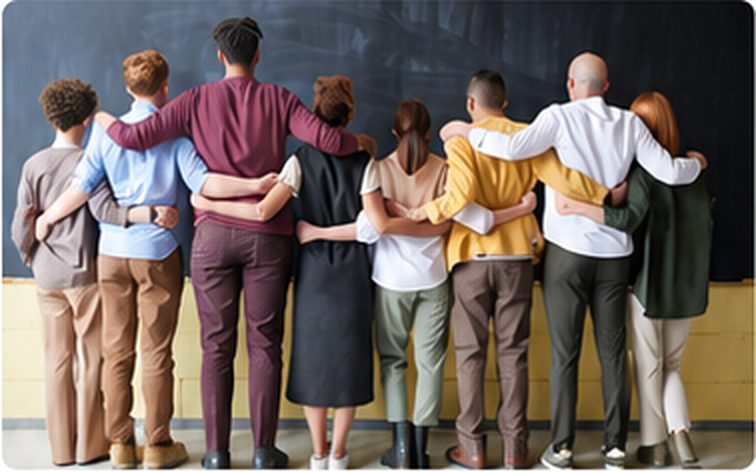
Research indicates that social interactions for individuals with disabilities lead to substantial improvements in self-esteem and overall life satisfaction. Studies show that those who actively participate in social activities report better health outcomes and higher levels of happiness compared to their isolated peers. Additionally, by creating structured opportunities for friendship and engagement, social programs contribute to dismantling the barriers associated with stigma and discrimination.
In addition, social programs facilitate skill acquisition within a supportive and inclusive environment. This learning promotes independence and community involvement, ensuring students with behavioral and academic needs have equal access to education, employment, and leisure activities.
Education systems that emphasize diversity and inclusion allow individuals with disabilities to learn with peers, enhancing social skills and friendships. Effective inclusive education requires identifying barriers, fostering a supportive environment, providing resources, and encouraging active student participation.
Team Member Spotlight

Join Our Youth Advisory Council!