
Early Intervention in Psychosis: Changing the Course of Care
For decades, psychotic disorders like schizophrenia spectrum disorder were seen as lifelong, progressively worsening conditions. Many assumed that poor outcomes and social decline were inevitable. However, new research tells a very different and far more hopeful story. Across the world, studies are showing that early detection and treatment can dramatically change the trajectory of psychosis. With the proper support, people can recover, rebuild their lives, and thrive.
The onset of psychosis rarely happens overnight. Early warning signs such as confusion, withdrawal, or unusual thoughts can appear months or even years before a first episode of psychosis. Because these symptoms often resemble those of other conditions like depression, anxiety, or ADHD, many young people delay seeking help. This delay, known as the Duration of Untreated Psychosis (DUP), can have a major impact on recovery. Research consistently shows that the shorter the DUP, the better the long-term outcome. Research shows that the shorter the DUP, the better the outcome. When treatment starts quickly, people respond more fully, relapse less often, and experience fewer long-term complications. Unfortunately, it’s still common for treatment to begin months or even years after symptoms first appear. Reducing this gap in care is one of the key goals of early intervention in psychosis programs, like Missouri’s Coordinated Specialty Care (CSC) teams.
Early intervention isn’t just about medication; it’s about helping people rebuild their lives. These programs provide wraparound services to support young adults in their recovery. CSC teams bring together professionals who address the medical, psychological, and social aspects of psychosis. They also focus on providing rapid access to treatment and support to reduce distress and improve coping. Family education and involvement are crucial, as they help strengthen support networks and reduce stigma. Just as importantly, individuals receive help in returning to work or school, achieving personal goals, and managing any co-occurring issues such as depression, trauma, or substance use. By combining these elements into one coordinated plan, early intervention enables people to regain stability and independence more quickly and to sustain their progress over time.
The evidence behind early intervention is compelling. Studies consistently show that early treatment can reduce hospitalizations, improve quality of life, and cut suicide risk by nearly one-third. California’s Prevention and Recovery in Early Psychosis (PREP) program, for example, found that participants had 50 percent fewer hospitalizations and showed major improvements in employment, education, and mental health outcomes.
The benefits are not only clinical but also economic. PREP saved local counties an estimated $15,000 per participant per year through reduced hospital and crisis service use. These results highlight how early integrated care can produce measurable gains in both personal recovery and public health.
Despite these successes, access to early intervention remains uneven. According to the Substance Abuse and Mental Health Services Administration (SAMHSA), only about half of young people with early psychosis symptoms receive timely treatment. Without intervention, many face years of disability, unemployment, or isolation. Psychotic disorders also carry one of the highest suicide risks among mental illnesses and significantly shorten life expectancy. The human and economic costs are enormous, estimated at $32–65 billion annually in the U.S. alone. Expanding early intervention services is not only compassionate; it’s a cost-effective public health policy.
Programs that prioritize early intervention are reshaping mental health care around the world. In Missouri, Coordinated Specialty Care (CSC) teams are leading this effort by delivering timely, effective treatment to individuals experiencing a first episode of psychosis. By treating psychosis early, ideally within weeks, not years, we can prevent lifelong disability, reduce suicide, and help people reclaim their futures. As The New York Times recently noted, early psychosis treatment represents “a chance to alter the trajectory of severe mental illness before it takes hold.” This approach replaces fear and hopelessness with optimism, evidence, and results.
Psychosis does not have to mean lifelong decline. With early, coordinated, and compassionate care, recovery is possible. Early intervention programs help people get back to school, work, relationships, and a meaningful life. Investing in early intervention means investing in human potential and transforming the way we think about mental illness.
Why Early Intervention Matters
Early warning signs like confusion, withdrawal, or unusual thoughts can appear months or even years before psychosis begins. The sooner treatment starts, the better the outcome.
More Than Medication
Early intervention includes wraparound services that support mental, social, and emotional well-being, helping young people rebuild their lives and strengthen their support networks.
Strong Evidence. Better Outcomes.
Research shows early treatment can reduce hospitalizations, improve quality of life, and cut suicide risk by nearly one-third while saving communities thousands of dollars per person each year.
Days to Honor
November
International Survivors of Suicide Loss Day
November 22
December
National Call a Friend Day
December 28
January
Little Things Mental Health Campaign

UNIVERSITY HEALTH |
KANSAS CITY, MO
Coordinated Specialty Care (CSC) Team Spotlight
One of the symptoms of schizophrenia that we commonly address is anosognosia (the lack of ability to recognize symptoms and see how these symptoms contribute to the larger diagnosis). As a result of this, we had a client who refused to meet with the CSC team. Additionally, reports from family members indicated that the client was isolating in their home, not taking medication, and that symptoms were worsening. This is not uncommon for our team; however, the unusual part of the story is the team’s case manager’s ability to continuously remain creative and flexible despite the client not wanting to meet with her and actively denying many of their symptoms.
The case manager’s ability to continually try new things led to an eventual breakthrough where the case manager provided interventions based on what the client cared about and client eventually engaged back in services and medication management. The client is now frequently meeting with team and recently achieved their goal of employment, which did not seem likely several months ago due to the severity of their symptoms.
Visible progress is often a challenge in our field, so it is cool to see a client achieve their goals in real time as a result of a case manager staying engaged, respecting a client’s autonomy, and ultimately creating a connection that has led to the client having something to look forward to and be excited about.”
March 24-25, 2026
Sheraton Kansas City Hotel at Crown Center
2345 McGee Street, Kansas City, MO 64108
Designed for professionals, practitioners, individuals with lived experience, families, researchers, and students.
This conference highlights the importance of early identification and intervention to reduce the impact of psychosis on individuals, families, caregivers, and communities.
Community Highlights


Join our
Youth Advisory Council!
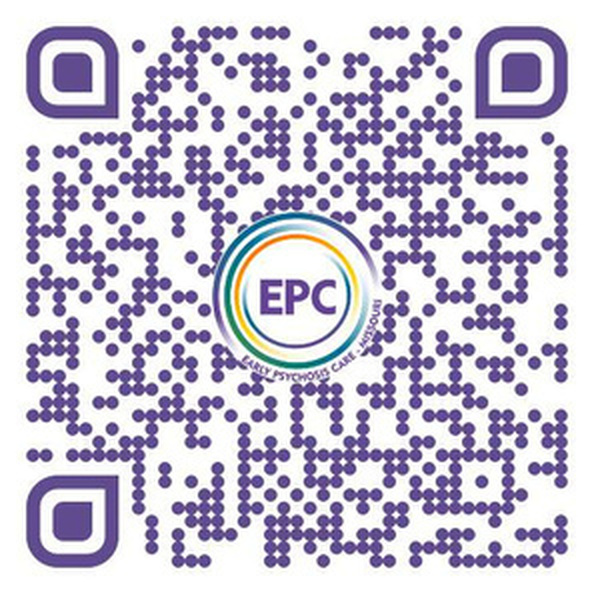
To join, visit:
www.epcmissouri.org/youth-advisory-council/
The EPC Youth Advisory Council (YAC) is working to reduce stigma about psychosis by sharing resources, raising awareness, and providing fact-based education in order to improve young people’s access to care.
Virtual meetings are held on the second Monday of every month from 6-7pm CST
Upcoming Trainings
Substance Use & Psychosis
Overview of symptoms, interplay, cannabis association, and intervention options for providers.
Register: https://cvent.me/g9dlo
Assessment 101 | Part A
Focus on first episode psychosis intake questions and speaking with individuals reporting early symptoms.
Register: https://cvent.me/x1mpPm
Assessment 101 | Part B
Differentiating high-risk and psychosis symptoms. Screening, self-reporting, and clinical interview strategies.
Register: https://cvent.me/1SoM3w
Psychosis 101
Overview of psychosis, screening process, diagnostic criteria, and referral resources.
Register: https://cvent.me/q494In