Early Psychosis Care Center Newsletter
Q2 2026
Mental Health Awareness Month: Turning Awareness into Action
Each May, communities across the country recognize Mental Health Awareness Month, a national movement founded in 1949 by Mental Health America to promote mental wellness, reduce stigma, and connect people with the support they need.
Mental health affects every person, family, school, and workplace in our communities. By sharing lived experiences, listening to one another, and creating supportive spaces, we can replace silence with understanding and isolation with connection. Every conversation helps break stigma and opens the door to healing.
Mental Health Awareness Month is about more than simply raising awareness — it is about showing up for one another. Whether someone is living with a mental health condition, supporting a loved one, or advocating for better access to care, community support and open dialogue can make a meaningful difference.
The observance highlights the importance of education, early intervention, and access to treatment. During Mental Health Awareness Month, organizations work to educate the public about mental health conditions and their impact while encouraging open conversations that reduce stigma and foster understanding. Efforts throughout the month promote early intervention, increase awareness of available treatment options, and connect individuals with resources such as support groups and crisis services. The campaign also helps build solidarity among those facing mental health challenges, advocates for stronger mental health policies and improved access to care, and encourages self-care practices that support overall emotional wellbeing.
The need for awareness and support remains urgent. Nearly 30 million people in the United States lack access to affordable, comprehensive mental health and substance use treatment. Recent statistics show that about 1 in 5 adults experienced mental illness in the past year, while 1 in 20 adults experienced serious mental illness. Among young people, 1 in 5 youth live with a mental health condition, with anxiety being the most common. Research also shows that nearly 63% of mental health conditions emerge by age 25, highlighting the importance of early support and intervention. In 2023, 20% of U.S. high school students reported considering suicide, underscoring the critical need for continued awareness, resources, and community support.
Mental Health Awareness Month reminds us that healing begins in community. By creating spaces rooted in empathy, understanding, and support, we can help ensure more people feel seen, heard, and empowered to seek help when they need it most.
- Mental Health America. (n.d.). Mental Health Month. https://mhanational.org/mental-health-month/ (opens in a new tab)
- National Alliance on Mental Illness. (n.d.). Mental Health Awareness Month. https://www.nami.org/stay-connected/events/awareness-events/mental-health-awareness-month/ (opens in a new tab)
- National Council for Mental Wellbeing. (n.d.). Mental Health Awareness Month. https://www.thenationalcouncil.org/mental-health-awareness-month/ (opens in a new tab)
Days to Honor
Clubhouse Giving Day
May 1
PTSD Awareness Day
June 27
World Brain Day
July 22

World Schizophrenia Day
May 24, 2026
World Schizophrenia Awareness Day raises awareness about schizophrenia, a mental illness affecting more than 24 million people worldwide. The day aims to reduce stigma, challenge misinformation, and encourage people to seek support and treatment.
Schizophrenia is a mental disorder that can involve hallucinations, delusions, disorganized thinking, and difficulty distinguishing reality. Symptoms often begin in early adulthood, but with proper treatment, including medication and therapy, many individuals can improve and lead fulfilling lives.
The day also highlights the daily challenges faced by people living with schizophrenia and promotes understanding, inclusion, and open conversations about mental health.
People can observe the day by attending events, sharing information, supporting mental health organizations, volunteering, donating, and having open conversations to help reduce stigma and promote understanding of schizophrenia.

Join our Youth Advisory Council!
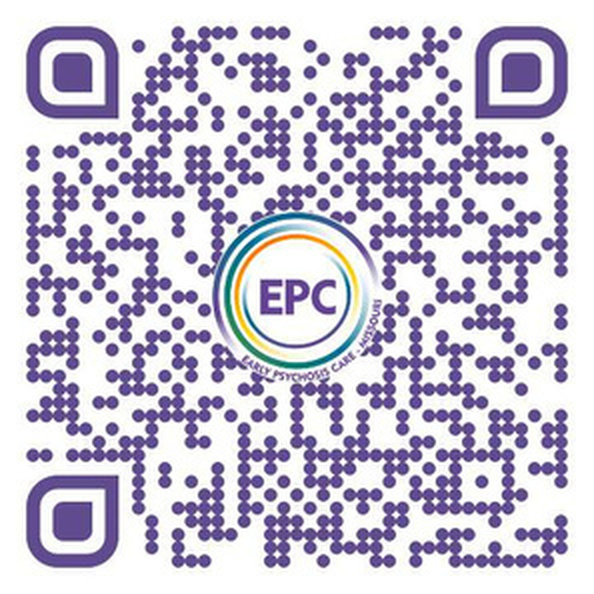
www.epcmissouri.org/youth-advisory-council/
Monthly virtual meetings
Second Monday of every month, 6-7pm CST
Upcoming Trainings